In this episode
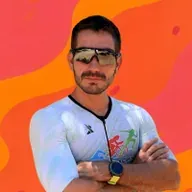
Konstantinos Papandrikopoulos, 35, from Patras, describes moving from swimming, running and cycling to triathlon with Aris Merkos, and why Ironman distance fulfils him more than shorter races.
The discussion covers his Messolonghi win as a planned training race before Hamburg, 10:40 in Austria and 9:30 in Hamburg, fuelling, everyday nutrition and how friends in Patras help sustain the hours.
Detailed show notes
From one sport to another
Konstantinos is 35, recently married and owns an electronics shop in Patras. He had swum for years, ran and surfed; a fifth-metatarsal fracture took him out of the water and onto a bike. Triathlon entered his life around 2020–2021, with coach Aris Merkos.
His first target was Vouliagmeni 70.3, with no time goal, simply to finish. Sprint racing does not fulfil him; he wants duration. Training hours rose gradually: around nine to eleven for a half, and an average of twelve, peaking near fourteen, for Ironman distance.
Messolonghi as training, not a championship target
He went to Messolonghi with friends about a month before Hamburg, instructed not to risk injury. The plan was a strong bike without overextending himself and a restrained run. He finished the bike first, held back initially, then pushed once he realised the others were not catching him.
He was not chasing a national title; he wanted a race near Patras within his preparation load. The discussion presents it as a middle-distance race within the overall training workload.
Austria, Hamburg and a run that unravels
In Austria in 2024, he finished in 10:40 after around three months without running and only 35 days of loading before the race. George reads out 9:30 for Hamburg. He came off the bike feeling strong; the marathon, which George reads as 3:38, started much too fast and turned after kilometre twenty, with diaphragm discomfort, rain and a cold abdomen.
On the bike, he targets around 120–140 grams of carbohydrate per hour; on the run, he struggles to reach sixty. He says cycling is his strength; running hurts, and he works on it through longer efforts rather than very fast ones.
Daily life, food and what comes next
He gets up for a 7:30 appointment, reaches the shop before 10 and benefits from everything being close in Patras. His group does intervals, tempo runs and long sessions together; he says he would not do even half as much without them. Working with a dietitian changed his habits: fewer sweets, more appropriate protein and carbohydrate intake, and treating food as fuel most days.
He closes by discussing a marathon in late November, Costa Navarino and a long-distance race on 5 September, much of it above two thousand metres, with access to a hypoxic facility in Patras. Extreme challenges excite him more than staying indoors.
Key takeaways
- The Messolonghi win came from a restrained run on a day planned as training, not a championship target.
- A strong bike alone cannot save the marathon; in Hamburg, cold and a fast start changed the day.
- Training hours work when friends, work and the city fit the same schedule.
- Nutrition is an investment in everyday life, not losing two kilograms just before a race.