In this episode
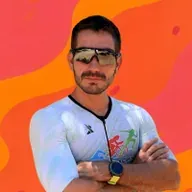
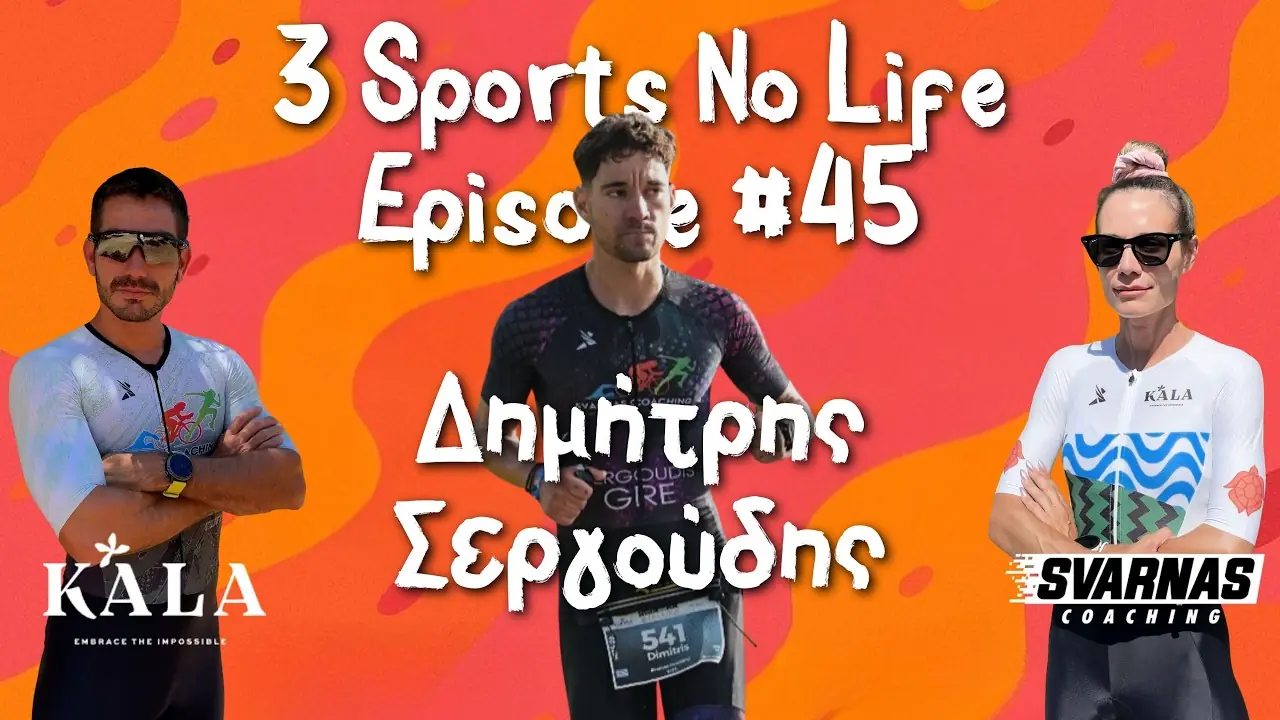
Andreas Yiafas, 42, from Cyprus, introduces himself in this order: father, entrepreneur, triathlete. From APOEL’s football academy and two 2:37 marathons, he moved into triathlon in 2020 with Kona as the goal.
The discussion covers SIPE in Tallinn and Hamburg in 2021, 8:52 and 26th in Kalmar, the new slot system and youth development in Cyprus.
Detailed show notes
From football to triathlon
Andreas grew up in APOEL’s youth football system. He stopped around 18, studied computer science in Patras and returned to Cyprus. Running began around 2010 with coach George Toloukaidis. He ran two 2:37 marathons; when an Achilles problem stopped him, cycling entered as cross-training.
His first triathlon was in Igoumenitsa in August 2020. From then, Kona became the goal. He calls himself a father and entrepreneur before a triathlete, because the sport needs cash flow.
SIPE, Tallinn and a pause from Ironman distance
At his first Ironman, Tallinn in 2021, he experienced what he calls SIPE: swimming-induced pulmonary oedema. He coughed up blood on the run and finished. Three weeks later in Hamburg, the same happened on the bike. He says he should have withdrawn but did not. Later, he DNF’d TRIMAN.
He learnt to manage it with a cardiologist and testing. After 2021, he did not race Ironman distance again until Kalmar this year. He avoids going all-out in the swim.
Kalmar: 8:52, an energy crash and a slot
In Kalmar, he had put sub-nine out of his mind. The bike took 4:35, riding alone and outside drafting zones, with around 120 grams of carbohydrate per hour; he consumed five hours’ food in 4:35. He started running very fast, then suffered an energy crash around kilometre 25. He stopped for Coca-Cola at aid stations and held pace to stay close to 8:50.
George reads out 8:52, 26th overall and fifth in his category. He earned a slot through the new system: one per age group, then a performance pool using normalised times. On the Wednesday before the race, he did a short sprint to rehearse transitions.
Philosophy, Cyprus and what comes next
He prefers middle distance. He says there is no mistake-free full-distance race; what matters is how quickly you correct things. He names Mr Garefis as a mentor in how to think and Michalis Vikariou as his first coach. His partner Sofia was with him in Kalmar.
In Cyprus, he sees gaps in support structures for young people despite the academies. He coaches a few athletes and has completed solo Ironman-distance training in Mazotos. For 2026, he mentions Challenge on Yas Island, TRIMAN half and Klagenfurt on 14 June.
Key takeaways
- Sub-9 in Kalmar came from responding to an energy crash on the run, rather than obsessing over the clock.
- SIPE is not a minor race detail; it is a reason to stop and understand its causes before returning to Ironman distance.
- The new slot system rewards performance across the field, not only an age-group podium.
- Long distance is unpredictable; the plan is to correct mistakes with a clear head.